Most games let you sit back and watch. Aviator does the opposite. The number climbs, and the call lands on you straight away. Cash out now or hang on a little longer. That moment hits fast, and it keeps coming back. It feels simple at first, then it gets under your skin, and pretty soon you find it almost impossible to put down.
Most casino games give you time to sit back and watch. You spin, you wait, something happens. Aviator flips that around. The round starts, the number climbs, and a decision lands in your lap straight away. Stay in, or get out. There is no buffer. That pressure is the hook, and it lands within seconds. It feels closer to timing a punchline than sitting through a long setup, which is probably why it sticks.
What Makes Crash Games Like Aviator So Hard To Walk Away From
Aviator keeps things simple. You place a bet, the round begins, and a multiplier starts climbing from 1.00x. The longer it runs, the higher the return looks. The catch is that it can end at any point. One click cashes out your winnings. Wait too long and the bet is gone.
That loop shows up clearly in Jackpot City aviator, where each round runs fast and the focus stays on timing your exit rather than sitting through long play sessions. The page breaks down the basics, shows the interface, and lets you see how players track the climb before cashing out.
Nothing slows you down here. The round starts, the number moves, and you react. It feels closer to watching a panel build toward a payoff than working through a drawn-out system. That is where the pull comes from. You are always a second away from acting.
Pacing Between Panels Drives The Whole Experience
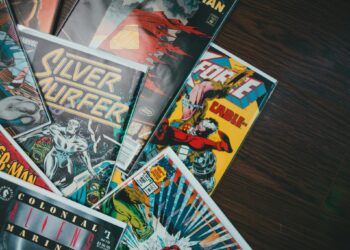
Comics do not rush the reader unless they mean to. A sequence builds through panels, each one carrying a bit more weight than the last. The space between them does just as much work as the drawings. That pause lets the idea land before the next step comes in.
You see it in strips where a character reacts a beat later than expected. That delay is where the humour sits. Move too fast and it feels flat. Hold it just long enough and it clicks.
Creators have played with that timing for decades. Some stretch a moment across several panels. Others cut straight to the payoff. The choice changes how the reader experiences the scene, even when the content stays simple.
That focus on pacing is what keeps readers engaged. It gives them something to follow, something to anticipate, even in a short sequence.
The Longer You Wait, the More You Risk
The tension in Aviator builds in a straight line. The multiplier rises, the number looks better, and the urge to stay in grows with it.
A small cash-out feels safe but limited. Letting it run looks better on paper, yet every extra second carries risk. The round can end without warning, and when it does, the bet disappears.
That push and pull is easy to understand and hard to manage. It creates a steady pressure where each decision feels personal. Take the win now, or hold on and see how far it goes. That question sits there every round, and it never really settles.
Why These Games Are Growing So Fast
The wider market gives some context. Online casino revenue is projected to reach $359.32 billion in 2026 and move up to $624.04 billion by 2031, and shows no signs of ever slowing down.
That growth lines up with how people play. Short sessions fit into a busy day. Quick results keep attention locked in. Mobile access makes it easy to jump in for a few rounds without planning anything around it.
Aviator fits into that pattern without much friction. The rules are clear, the rounds are short, and each result lands fast. It suits players who want something they can pick up and understand within seconds, then keep going as long as they feel like it.
Timing Is What Makes A Panel Land
A good comic strip lives or dies on timing. A panel sets something up, the next one holds it for a beat, and then the payoff lands. That gap in between does most of the work. Leave it too tight and the joke feels rushed. Stretch it too far and the moment loses its edge.
You see that kind of control in a lot of underground work, where creators played around with pacing and delivery in ways that still feel fresh. Panels don’t just tell a story. They control when the reader reacts. That is the craft.
Readers feel it without thinking about it. The pause before a reveal. The extra frame that lets something sink in. It looks simple on the page, but it is doing a lot behind the scenes.