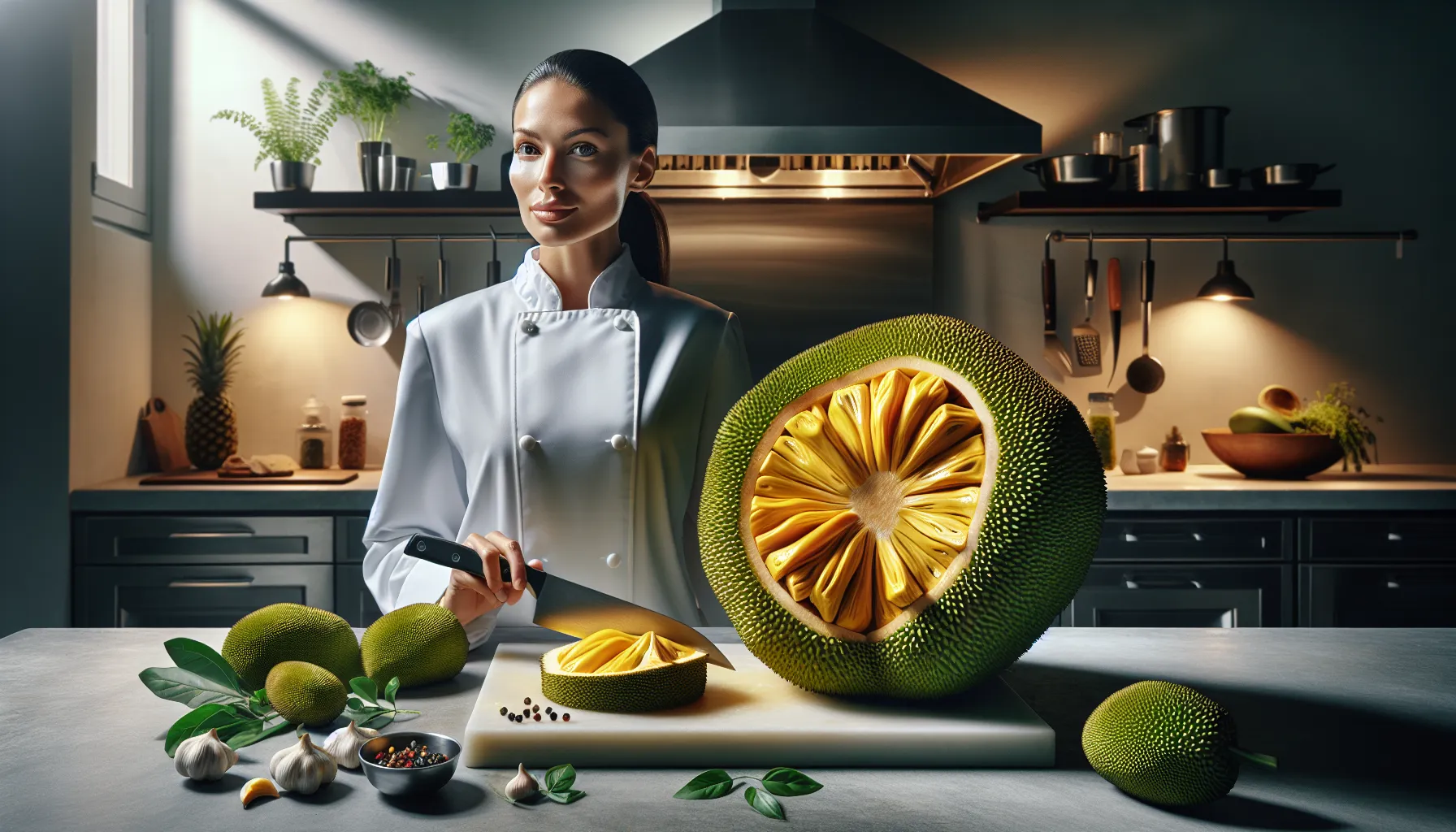
Let’s talk about jackfruit – the fruit that’s more popular than your last social media post. Packed with flavor and versatility, it’s like the Swiss Army knife of the produce world. We’re diving into the ins and outs of this tropical giant, exploring why it deserves a place in your kitchen and on your plate. Think you know fruit? Let’s peel back the layers of the jackfruit and see what all the fuss is about.
잭읻

Jackfruit is nothing short of extraordinary. This massive tropical fruit can weigh over 80 pounds, making it the largest fruit tree in the world. Native to South Asia, it boasts a unique texture reminiscent of a combination of banana and pineapple, with a sweet, fragrant flesh. We often find jackfruit growing in humid, subtropical climates, where it flourishes under bright sunshine. Its spiky green exterior hides a treasure trove of tasty, pulpy fruit segmented within, each piece packed with flavor and nutrients.
Interestingly, jackfruit is related to figs and mulberries. We see it used in many traditional dishes across Asia, becoming increasingly popular in vegan and vegetarian circles due to its texture, which mimics pulled pork when cooked. So, jackfruit isn’t just a fruit: it’s a culinary chameleon.
Nutritional Benefits of Jackfruit
When it comes to nutrition, jackfruit stands out as a powerhouse. This fruit is low in calories, packing about 95 calories per 100 grams, making it a guilt-free snack choice. What’s more, it’s rich in essential nutrients including vitamins A, C, and several B vitamins. Also, jackfruit offers dietary fiber, which promotes digestive health and keeps our guts happy.
Also, jackfruit contains a number of antioxidants that can help combat oxidative stress in our bodies. Eating jackfruit might even help us balance our blood sugar levels, making it a handy ally for those managing diabetes. Overall, its positive impact on our wellbeing cannot be overstated.
Culinary Uses of Jackfruit
Culinary creativity thrives when we bring jackfruit into our kitchens. Whether ripe or unripe, this fruit has something unique to offer. When it’s unripe, its meat-like texture transforms into a fantastic substitute for pulled pork or chicken in savory dishes. Think tacos, sandwiches, or curries. The possibilities are endless.
On the other hand, ripe jackfruit reveals a sweet, tropical flavor that can elevate smoothies, desserts, or even salads. We can roast the seeds, adding a nutty crunch to our meals or simply snack on them on their own. From savory to sweet, jackfruit caters to all culinary cravings – making it an ideal choice for our diverse palettes.
Health Benefits and Potential Risks
While jackfruit is lauded for its numerous health benefits, it’s essential to approach it wisely. Among its perks, the rich fiber content aids digestion, and its antioxidants contribute to overall health. We also find that jackfruit may support heart health by promoting good cholesterol levels.
But, moderation is vital. Jackfruit is relatively high in sugars compared to other fruits. So if we’re watching our sugar intake, we should be cautious. Also, some individuals may have allergies to jackfruit, especially those allergic to birch pollen or latex. It’s always best to start with a small amount to see how our bodies react.
Sustainability and Environmental Impact

As we become more environmentally conscious, jackfruit proves to be a sustainable choice. This tree is incredibly resilient, requiring less water than other crops. Not only does it flourish in poor soil conditions, but it also plays a role in improving the ecosystem by providing shade and reducing soil erosion.
Also, with the increasing demand for meat substitutes, jackfruit offers a plant-based alternative that can significantly reduce our carbon footprint. Choosing jackfruit is not just a tasty decision: it’s a pro-environment move we can all get behind.
How to Select and Prepare Jackfruit
Selecting the perfect jackfruit can be a game changer. We should look for one with a firm exterior and a pleasant smell, indicating its ripeness. A good jackfruit should yield slightly when pressed but not feel mushy.
Preparation can seem intimidating, but with a little practice, it becomes second nature. For unripe jackfruit, we should cut it open, remove the seeds, and chop the flesh for cooking. When dealing with ripe fruit, we can enjoy the sweet pods raw or blend them into smoothies. A light touch of oil on our hands can prevent the sticky sap from causing a mess during preparation.